Bracket Brain: How Tournament Position Rewires Cricket Teams — and What That Means for Your Bets
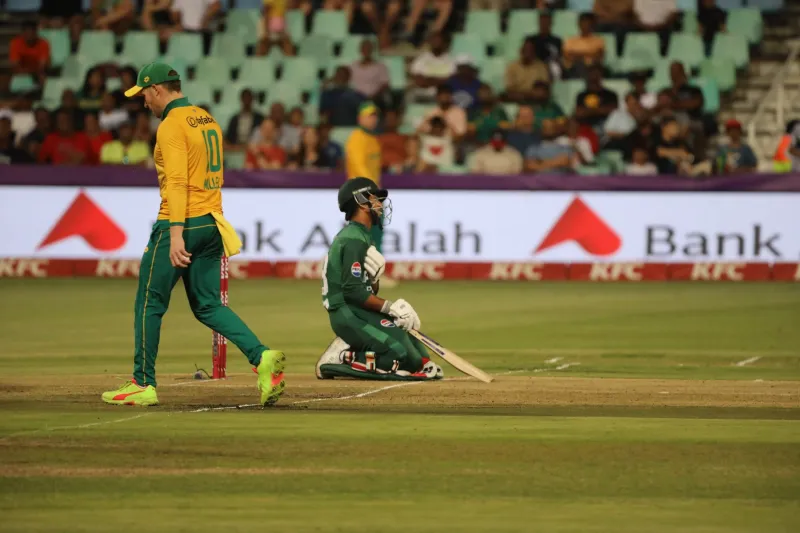
Anyone who's watched March Madness knows what desperation looks like on a basketball court. Teams on the bubble play differently than teams with nothing to lose. Coaches make riskier calls. Players press. The emotional stakes of elimination reshape the game in ways that show up in the box score.
Cricket tournaments produce the exact same dynamic — but because the format is unfamiliar to most US bettors, those patterns go underappreciated and underpriced. In competitions like the IPL, ICC T20 World Cups, and domestic franchise leagues, the table standings aren't just a scoreboard. They're a behavioral map that tells you how teams will approach the next match before a single ball is bowled.
At CricBets99, we spend a lot of time thinking about what tournament context actually does to cricket decision-making. Here's what we've found.
The Elimination Calculus: How Standing Changes Strategy
In most multi-week cricket tournaments, teams play a round-robin group stage before advancing to knockout rounds. The IPL uses a four-team playoff system. ICC tournaments use Super 8s or Super 12s with advancement thresholds. The structure varies, but the behavioral effects are remarkably consistent.
Teams already qualified tend to rotate their squads. They rest senior players, experiment with batting orders, and make bowling changes that optimize for the knockout rounds rather than the current match. In other words, they're playing for seeding position and player freshness — not necessarily the win.
Teams on the bubble do the opposite. They play their strongest available lineup, push their best bowlers to maximum workloads, and make aggressive batting decisions that prioritize run rate alongside wins. Desperation compresses strategy into a single match.
Teams already eliminated are the wildcard. Sometimes they play freely with nothing to lose, and that freedom produces performances that embarrass qualified opponents who are managing their effort. Sometimes they collapse entirely. Reading which scenario applies requires looking at squad composition, captain temperament, and whether fringe players have something to prove for future contract situations.
Why US Bettors Miss This Consistently
In US sports, tournament positioning is relatively straightforward to track. The NFL playoff picture is covered obsessively by every major outlet. March Madness seeding is a national conversation. The standings are front-page content.
Cricket tournament tables — especially for mid-tier competitions or franchise leagues outside the IPL — don't get that kind of coverage in US sports media. A bettor who isn't actively following the league won't know that Team A needs a win and a favorable run rate differential to advance, or that Team B already has their knockout spot locked and is publicly discussing rotation plans. That information exists, but it's buried in cricket-specific outlets that the average US bettor isn't reading.
Sportsbooks factor some of this in — but not consistently, and not quickly enough when the standings shift mid-tournament. A match that looked like a straightforward contest between two evenly matched sides takes on a completely different character when one team's playoff math changes due to results elsewhere in the group. The line may not fully reflect that context for 12-24 hours.
Patterns That Repeat Across Tournaments
Here are the specific scenarios we've found to be most consistently exploitable:
The Qualified Team Trap. When a strong side has already secured their knockout berth, they frequently rotate. But the betting market — and casual bettors — continue to price them as full-strength favorites based on reputation and season-long form. If you know rotation is likely and the book hasn't adjusted, the underdog value in that match is often significant. This happens multiple times per IPL season.
The Elimination Desperation Surge. Teams fighting for survival consistently outperform their season averages in must-win matches. The lineup tightens, the decision-making sharpens, and the captain stops experimenting. Betting on a desperate-but-talented team against a comfortable, rotation-minded opponent is one of the most reliable patterns in franchise cricket.
The Points Table Ripple Effect. In group stages, results elsewhere on the same matchday can dramatically alter what a specific match means for both teams. If two matches are being played simultaneously and results in the other match change the qualification math mid-game, the strategic approach can shift in real time. Live betting markets are slow to incorporate this kind of contextual information.
The Fatigue Cliff in Late Group Stages. Teams that have played the most cricket in the weeks leading into a tournament's final group-stage rounds carry real accumulated fatigue — particularly fast bowlers who've been pushed hard in must-win situations. This shows up most clearly in bowling economy rates in the back half of group stages. A bowling attack that's been maxed out across three consecutive high-pressure matches will underperform in the fourth, and the line rarely fully accounts for that workload.
Building a Tournament Position Tracker
You don't need a spreadsheet science project for this — but you do need a basic awareness system. At the start of any tournament you're actively betting, set up a simple table that tracks:
- Current points and qualification status for each team
- Net run rate (which determines tiebreakers and often influences how aggressively teams bat)
- Remaining schedule and strength of opposition
- Public statements from coaches or captains about rotation or squad management
Update it after every matchday. When standings shift, re-evaluate any upcoming matches involving the affected teams before the market fully adjusts.
The goal isn't to predict cricket — it's to understand the motivational context that shapes how teams approach each match. A team playing for seeding is a different betting proposition than a team playing for survival, even if the talent levels are identical.
The Bigger Picture
Cricket's tournament formats are long, layered, and full of strategic subtext that doesn't announce itself in the box score. That complexity is exactly what creates the edge for bettors willing to track the table as closely as they track the stats.
Every bracket has a story. The teams that are desperate, comfortable, or already packing their bags are each playing a different game — and the sportsbook line often doesn't know which one it's pricing. That's where your edge lives.