The Quiet Fifteen: How Cricket's Middle Overs Became the Sharpest Betting Window on the Board
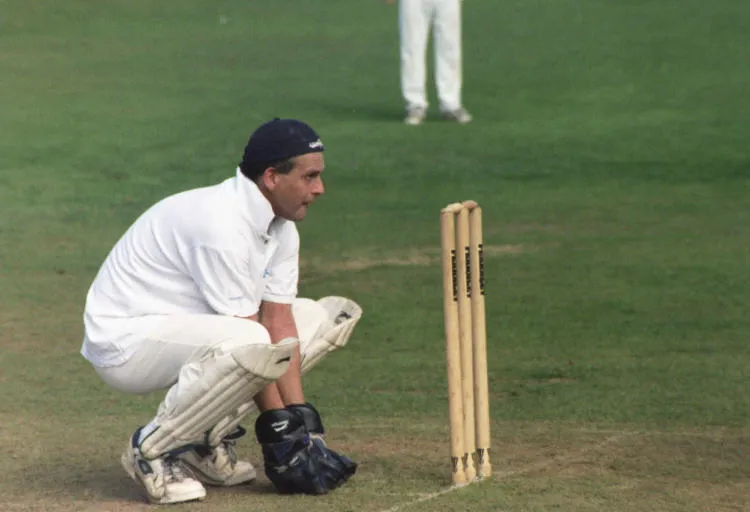
Photo: Taken by GWO, CC BY-SA 3.0, via Wikimedia Commons
Ask a casual cricket bettor where the action is and you'll hear the same answer: the first six overs, then the last five. Explosive starts, death-over chaos, over/under fireworks. The middle of the innings gets skipped like the second act of a movie everyone's already seen.
Oddsmakers make the same mental shortcut. And that's precisely why the quiet stretch — roughly overs 7 through 15 — is where a US bettor who actually watches the phase can find the best-priced numbers on the entire board.
Why the Books Treat It Like Filler
The middle overs are hard to model in a way that the powerplay and the death aren't. The first six overs have a predictable shape: fielding restrictions, aggressive intent, a known run-rate band. Overs 16 through 20 have their own script: six-hitters, yorkers, wicket-hunting. Both phases have clean historical distributions you can build a model around.
Overs 7 to 15 don't. The phase swings wildly based on when the first wicket fell, whether a team is 78 for none or 44 for three, which spinner is bowling, and how much dew is in the forecast. Rather than build a granular model for that mess, a lot of books lean on full-innings totals and phase-agnostic averages. The result is a number that describes a generic T20 innings and not the game in front of you.
That's the opening.
Match State Beats Form in This Phase
If you take one thing from this article, take this: from over 7 to 15, the scorecard situation matters more than the reputations on it. A team cruising at 80 for one after eight overs is playing a completely different game than a side that just lost its third wicket in the ninth. The first team sends a set batter into the back ten with license. The second is rebuilding, protecting a fragile lower order, and happy to take singles.
Generic team-total lines don't distinguish between those two states, because the model is anchored on the pre-match number, not the live one. Books do move totals — but they move slowly mid-innings, often in coarse increments, and rarely re-price the structure of the remaining innings. A wicket in the 11th over of a chase is worth more than a wicket in the 18th, and the market doesn't always know that.
The Three Things to Track
Wicket-taking probability by bowler, not by team. Middle overs are usually spin territory. Some spinners are wicket threats who cramp the scoring; others are run-rate holders who barely threaten. If two spinners are bowling in tandem with a mid-off up and a keeper standing back, the wicket chance on next-over markets is materially higher than the generic number suggests.
Boundary percentage, phase-adjusted. A team can be scoring at seven an over in the middle while hitting almost no boundaries — all rotation of strike, no risk. That's a team setting up for a late launch, not a team struggling, and it usually means the last four overs will run hot. Bettors who only look at run rate misread this every time.
The dew and pitch drift. A surface that got slower through the first innings changes what 'par' looks like in the second. Second-innings totals in a dewy venue are not the same market as first-innings totals, and books that use one number for both are handing you a side.
The Markets Worth Shopping
Ten-over totals. Many books offer a score-at-the-10-over mark. It isolates the phase almost perfectly and is often priced with less attention than the full-innings line.
Next-over runs and wicket-in-the-over. These repricing windows are short and the vig is wider, but they're also the least efficient numbers on the page. If you're already watching ball-by-ball, the information cost is zero.
Top team batter. A set opener at 45 off 30 heading into the middle overs has an obvious path to the top-score market, and it can still be priced off the pre-match order.
Partnership props. Books that offer them tend to use a league average for partnership length. In a phase where one team is content to bat deep, that average is too short.
How to Actually Read the Phase
Before you fire, run a quick three-question check. Who is bowling the next three overs, and is it their wicket-taking pair or their holding pair? How many wickets in hand does the batting side really have — including the Impact Player, if the league uses one? And is the required rate starting to bite, which forces risk and raises wicket probability?
Three questions, thirty seconds. It beats any pre-match trend screen.
Where This Goes Wrong
Don't mistake a quiet phase for a dead market. The middle overs produce fewer highlights but more repricing events, which means more chances to be wrong on a live ticket before the game swings. Size accordingly, and don't chase a stale live total just because it looks generous — sometimes it's stale because the book has already paused the market.
Above all, don't bet the phase blindly as an under. Plenty of middle-overs stretches are genuinely high scoring, especially when two part-time bowlers are operating and the batting side is seven wickets deep. The edge isn't in a direction. It's in reading the state of the game faster than a generic number can.
The fireworks get the oddsmaker's attention. The quiet fifteen are where the money actually lives.