Before the Books Notice: Scouting NCAA Club Cricket as a US Betting Frontier

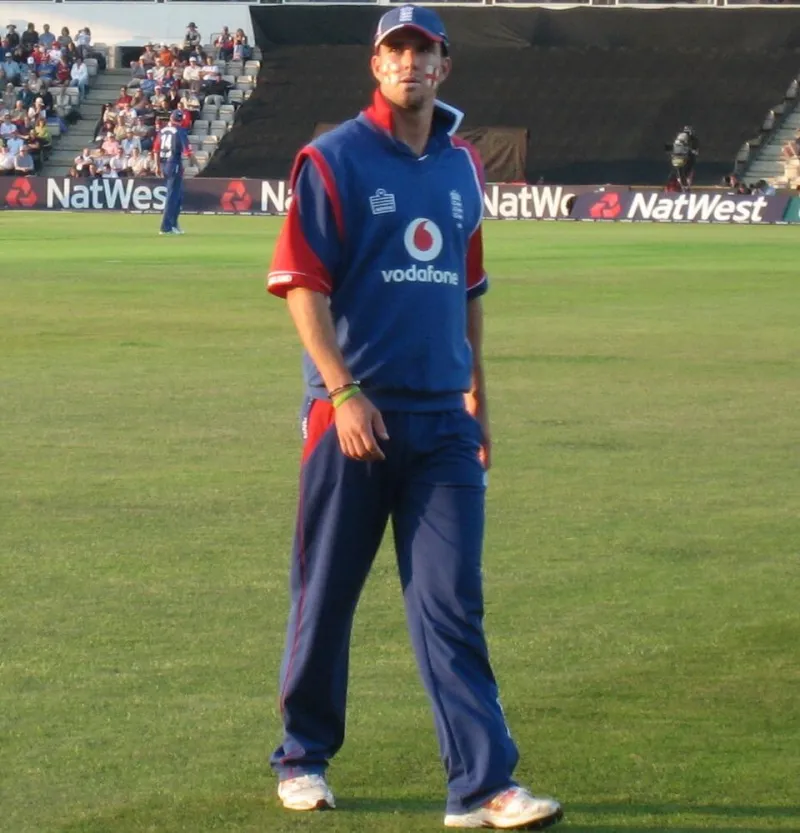
Photo: Shimer College, Public domain, via Wikimedia Commons
There is a version of American sports betting where every market is efficient, every league has a wall of numbers behind it, and nobody finds an edge by simply being earlier than the next guy. That version does not exist on college campuses. Right now, on fields and indoor facilities across the country, club cricket is being played by real athletes in organized competitions with real results — and the betting ecosystem is treating the whole thing like a rumor.
That gap is the story. Not because college cricket is secretly the next IPL, but because line inefficiency lives in exactly one place: wherever information is thin and interest is high enough for books to hang a number anyway.
The Softest Market Is the One Nobody Has Modeled
Sharp bettors talk constantly about closing line value, market efficiency, and the death of easy edges. All of that is true at the top of the sport. The Premier League, international cricket, the IPL — those markets are picked over by syndicates with proprietary models and access you will never match.
Club cricket on a college campus is the opposite condition. Rosters turn over every year. Schedules are published late. Form is documented inconsistently, sometimes in a box score, sometimes in a group chat. Books that do offer these markets are largely improvising, and improvisation is where you find prices that do not reflect reality.
This is the same structural advantage DFS players had in the early days of niche college sports. Nobody had good models, so the people who bothered to watch had an edge that had nothing to do with math.
Where the Competition Actually Lives
The organizing body most US bettors should know is the American College Cricket circuit, which has been running national championships for well over a decade and pulls teams from campuses you would not immediately associate with the sport — programs in the Midwest, the South, and the Northeast alongside the expected coastal schools. On top of that, there is a sprawling layer of informal club competition: university club teams in the Big Ten footprint, California campus leagues, and regional tournaments that draw sides from a dozen schools at once.
The important thing is not the brand name of any single league. It is that these programs are increasingly structured, increasingly filmed, and increasingly scouted by people who are not bettors — coaches, selectors, and the occasional national-team pipeline scout.
Reading College-Level Numbers Without Overreading Them
Here is where most people get burned. They see a kid averaging 45 at club level and immediately start treating him like a professional. The translation problem is real and it cuts both ways.
Competition quality varies wildly. A century against a weak regional side and a century against a top-four program are not the same input. You need to know who was bowling.
Pitch quality is inconsistent. College grounds often produce pitches that would not pass a professional inspection. That inflates batting averages in some venues and destroys them in others. A ground-by-ground note file is worth more than any player stat.
Sample sizes are tiny. A college season may be eight or ten meaningful matches. Ten games is not a form guide, it is an anecdote. Bet the situation, not the average.
The Real Edge: Roster Knowledge
The most valuable intel in college cricket is not statistical. It is knowing who is available. Students have exams. Students have internships. Students transfer. A program's best bowler may miss a weekend tournament because of a lab practical, and the market will not know.
The bettor who follows two or three programs closely — follows their social accounts, reads their recaps, notices when a key player stops appearing — is operating with information that no book is pricing. That is the entire game at this level.
If you want to start small, pick a conference footprint, not a team. Follow the whole regional circuit. You will learn the standard of play faster, and you will spot mismatches the moment a draw is published.
How the Lines Get Made (And Why They Break)
Early college cricket lines are typically built from reputation and, at best, a light pass at recent results. That creates three recurring failure modes.
First, big-name universities get priced on brand rather than roster. A school with a famous football program and a mediocre cricket side will still draw shorter odds than a small college with a genuinely strong squad.
Second, travel effects are ignored. A team driving six hours overnight to play a morning match is not the same team that played at home last week. Nobody is modeling that.
Third, totals are guesswork. Without consistent pitch data, over/under lines at college level are often set by feel. A ground with a short boundary and a fast outfield will blow past a conservative total more often than not.
The Practical Playbook
Keep a running file on four to six programs. Track three things per match: venue, standard of opposition, and who actually played. When a line appears that ignores an obvious absence, take it. When a line reflects brand reputation instead of current form, take the other side.
Do not chase volume here. These markets are thin, and limits are small. The point is not to build a bankroll on college cricket — it is to develop a scouting discipline that transfers up the ladder as these players move into professional leagues and the coverage finally catches up.
By the time the books build real models for this level, the people who watched it early will already be on to the next soft market. That is how this always works.