What the Slip Cordon Tells You Before the Scoreboard Does

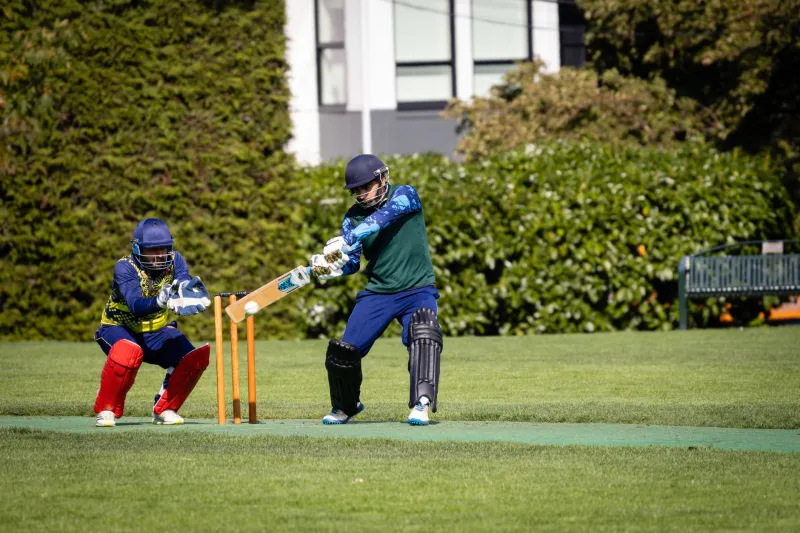
Here's a scenario most US bettors never think about: two teams walk onto the field, and before a single ball is bowled, the fielding captain has already made a decision that can swing the match. He's either packed the slip cordon — two, maybe three fielders standing in that crescent arc behind the batsman on the off side — or he's spread his fielders wide to plug boundary gaps. That choice, and what happens when a catch goes up into that cordon, is one of the most systematically undervalued signals in cricket betting.
You're not alone if you've never thought about it this way. The US sports betting market is still learning cricket's rhythms, and the natural instinct is to look at the obvious stuff: who's batting, what's the run rate, is the pitch flat or doing something. But sharp bettors know that the game inside the game — fielding geometry, catching percentages, zone-specific success rates — is where the real inefficiency lives.
Why Fielding Placement Actually Predicts Wickets
Think of slip fielding like a defensive alignment in football. A team that deploys two slips and a gully is essentially calling a blitz — they're gambling on lateral movement off the pitch, betting the batsman will edge the ball to that zone. When a captain makes that call, he's communicating information about pitch conditions, bowler confidence, and the batting matchup that hasn't yet been priced into live odds.
Here's the exploitable part: live betting markets update primarily on scoring events — boundaries, wickets, dot balls. They're slower to process why a wicket fell, and they almost never account for where fielders are standing heading into each over. If a team has three slips in place and the bowler is extracting lateral movement, the probability of a wicket in that over is meaningfully higher than the market is offering. That gap is your edge.
Catching efficiency by field zone is the stat that makes this concrete. Not all dropped catches are equal, and not all teams are equally reliable in the slip cordon specifically. Some franchises and national sides have elite close-in fielders — guys with elite reflexes who hold the difficult low chances. Others are leaky. A team that drops 25-30% of slip catches is essentially nullifying their own bowling attack's effectiveness, and that has direct implications for total runs scored in a match.
The Catching Percentage Angle Most Bettors Miss
If you've spent any time in NBA or MLB analytics, you know that efficiency metrics matter more than raw counting stats. Same logic applies here. A bowling attack that generates 12 edges per innings but only converts 60% of those into wickets is fundamentally less dangerous than the raw bowling figures suggest. Meanwhile, a team with a 90%+ slip-catching rate is quietly amplifying every good delivery their bowlers produce.
For over/under betting specifically, this creates a reliable framework. When you're handicapping a total runs line, factor in the fielding unit's catching efficiency — particularly in the first 10 overs of an innings when slip fielders are most active. A team facing a high-efficiency catching side on a pitch with lateral movement should be projected lower than the market's total suggests. That's a lean toward the under that's rooted in something real, not just a gut feeling.
The data is out there. ESPNcricinfo, CricSheet, and several cricket analytics platforms track fielding events in granular detail. It takes some digging, but the homework pays off when you're finding unders at +110 that should realistically be -130.
Team-Specific Fielding Patterns as a Pre-Match Signal
Beyond individual catching rates, teams develop recognizable fielding philosophies that create predictable patterns — and predictable patterns are what bettors live for.
Some sides are aggressive slip-cordon teams from ball one. Others prefer to build pressure through tight infield placement and only deploy the full cordon when conditions dictate. If you've charted a team's fielding tendencies across 15-20 matches, you start to see tendencies that inform how quickly they'll take wickets in the powerplay, how they'll manage the middle overs, and whether they're structurally set up to restrict or attack.
For US bettors who come from a football or baseball background, this is similar to tendencies charting in those sports. A pitcher's approach against left-handed hitters. A defensive coordinator's third-down blitz rate. Cricket captains have tendencies too, and those tendencies leave footprints in the fielding data.
Making This Actionable on Match Day
You don't need to be a cricket scholar to start using this framework. Here's a practical approach:
Pre-match: Look up the fielding stats for both sides over their last 10 matches. Focus specifically on catches taken versus chances created in the slip region. Any team holding under 70% of those chances is a liability.
During the toss and innings start: Watch where the captain positions his fielders in the opening overs. Three slips on a seaming pitch with a quality opening bowler is a high-wicket-probability setup. Lean toward the under on first-innings runs in that scenario.
Live betting: When a slip catch goes down — dropped — resist the urge to immediately back the batting side. Markets overcorrect on dropped catches. The bowler's next few deliveries often generate another edge, and if the fielding unit is shaky, the next chance might go down too. Wait for the market to settle before placing.
The slip cordon isn't glamorous. It doesn't show up in highlight reels the way a six over deep midwicket does. But in cricket betting, the unglamorous angles are almost always where the value hides. Start watching the fielding geometry, and you'll start seeing matches — and odds boards — in a completely different light.