Six Balls, Bad Math: Why Super Overs Aren't the Coin Flip Your Book Thinks They Are
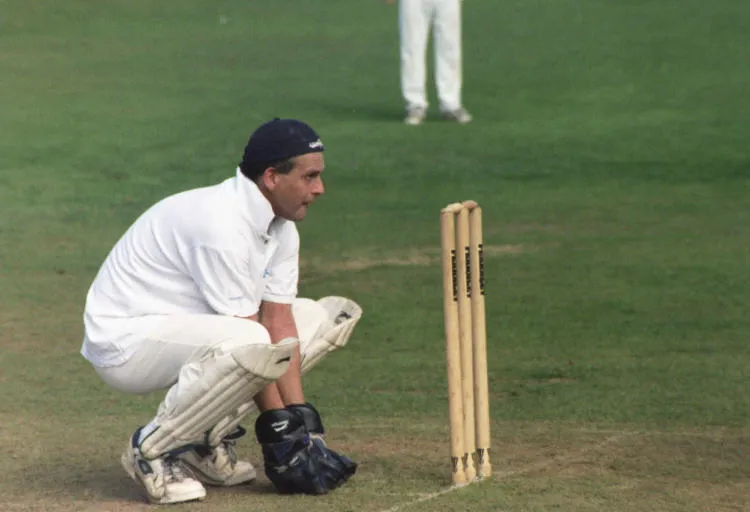
Photo: Andrés Galeotti, CC BY 2.0, via Wikimedia Commons
Extra innings in baseball are not a coin flip. Everyone accepts this. You know who is available out of the bullpen, you know which hitters are due up, you know whether the ghost runner changes the calculus. The same is true of a cricket super over. It is six balls, one bowler, three batters, and a completely knowable set of constraints.
And yet. Look at how super over markets get priced and you would think the book has decided it is essentially random and stopped thinking about it. This is one of the last places in cricket betting where the pricing is genuinely lazy rather than efficiently tight.
The reason is simple: super overs are rare, they are dramatic, and rare dramatic events get priced on vibes. That is your opening.
The Constraints Are the Whole Handicap
A super over is not a free-form cricket match compressed into ten minutes. It is a heavily constrained format, and constraints are exactly what a bettor wants. The bowling side names one bowler, who bowls all six balls. The batting side sends out three batters, usually two who bat and one who only comes in if a wicket falls. Nobody else can participate.
That means the entire outcome is determined by a matchup you can name in advance. Which bowler. Which two batters starting. Which one spare.
Books often price super overs with a general team-strength number — the same number they would use for a five-over chase. That ignores almost everything that matters, because a team's strongest six-over bowling unit is not the same as its best single super over bowler.
Why Star Power Is the Wrong Input
The instinct is to back the team with the biggest hitters. That instinct loses money.
A super over rewards a very narrow skill set. The batting side needs batters who can score off the first ball without needing to see the ball — no looseners, no time to settle. The bowling side needs a bowler who can execute a yorker on demand, under maximum pressure, with no field protection for a miss.
That is a specialist role. A team with three world-class top-order batters might have nobody who bowls a reliable six-ball yorker spell. A team with a modest batting lineup might have exactly one bowler who has done it before, calmly, and won.
When you look at a super over line, ask one question: who is actually bowling these six balls, and have they done it before? If the answer is a part-timer because the frontline seamer already bowled out or is injured, the line is probably wrong.
The Availability Trap
This is the angle most bettors miss entirely, and it is the same edge that sharp baseball bettors exploit in the late innings.
In cricket, super over bowling selection is constrained by who is in the playing XI and who is physically able to bowl. A team whose best death bowler is carrying a niggle, or was held back in the main match, may not be able to use him. A team with two elite death options has a structural advantage that should be priced in and usually is not.
Similarly, the batting side's spare batter matters more than people think. In a super over where a wicket falls on ball two, the third batter comes in cold. Some teams carry a specialist for exactly that. Some do not.
Baseball Logic Transfers Cleanly Here
If you have ever bet extra innings, you already know the two things that decide them: bullpen availability and lineup order. Super overs are the same problem in a smaller box.
Bullpen availability maps to super over bowler eligibility. Who is fresh, who has been saved, who is unavailable.
Lineup order maps to which two batters start. A team that opens with its two most aggressive batters is playing a different game than a team that opens with its most technically correct ones.
The difference is that baseball bettors have years of data on how managers deploy relievers in extras. Cricket bettors mostly do not, which is precisely why the market is soft.
The Live Window Nobody Watches
Here is where the real value lives. When a super over begins, the live markets move fast. The first ball often causes an outsized swing — a dot ball pushes the price hard toward the bowling side, a boundary pushes it hard toward the batting side.
But six balls is a lot of runway. Going 0-for-1 from ball one is not a crisis; it is a normal start. The books treat early dots like a near-terminal event in a market that is effectively a one-innings game with a known batting order.
There is also a structural quirk: because the chase side knows the target exactly, the second innings of a super over is highly scriptable. Books sometimes price both innings with the same model. They should not. The side batting second has perfect information and can plan ball by ball. That is worth real equity, and it is rarely reflected in the line.
Pre-Match Angles Worth Tracking
Super over markets are not only live. Many books offer pre-match super over props in knockout competitions — whether a super over will be required, or which team would win one if it happened.
The second market is where the analytical value sits. If a fixture is between two evenly matched sides at a neutral venue, the probability of a super over is meaningfully higher than in a mismatch, which makes the conditional price on each side worth checking. Frequently the book has simply mirrored the main match line into the super over market, which is lazy and exploitable when one team has a clear super over specialist and the other does not.
Bankroll Notes
Treat super over bets like any other low-frequency, high-variance market: small stakes, no chasing, and no stacking multiple correlated positions. The edges are real, but the sample size is tiny and the variance is brutal. If you are betting three super over markets in a weekend, you are guessing, not analyzing.
The honest summary is this. A super over is not random. It is a tightly constrained duel between named individuals, and everything you need to price it is visible before the first ball. The book just has not bothered to look. That is not a coin flip — that is an invitation.